
What Is Authentic Vintage Jewellery?
A Complete Guide for Collectors and Buyers
Authentic vintage jewellery can be a fascinating addition to your collection, with each piece enriched by the stories and history it carries. Whether you're a collector, investor, or simply love unique jewellery, knowing what qualifies as vintage is essential. With replicas and mass-produced designs everywhere, identifying genuine vintage and antique jewellery ensures you're buying pieces with real history, craftsmanship, and value.
.jpg)
What Is Authentic Vintage Jewellery?
In the jewellery world, the term vintage refers to pieces that are at least 20 years old, but not yet old enough to be classified as antique, which means 100+ years old. Authentic vintage jewellery comes from specific historical eras, including:
• Art Deco (1920s–1930s)
• Retro Era (1940s–1950s)
• Mid-Century (1950s–1960s)
• Late 20th Century Vintage (1970s–1990s)
Each period has its own stylistic characteristics, materials, and craftsmanship that help experts distinguish genuine vintage pieces from modern reproductions.
Shop Vintage Jewellery


Key Characteristics of Authentic Vintage Jewellery
.jpg)
Period-Specific Craftsmanship
Before the advent of mass production, jewellery was usually handmade or crafted in small workshops, which allowed artisans to add their unique styles and personal touches to each piece. Authentic vintage jewellery may showcase:
• Hand-cut gemstones that reflect the skill and dedication of the artisans
• Intricate metalwork created with precision and care
• Minor imperfections that highlight the craftsmanship, showcasing the human effort that went into making the piece
These traits are important markers of authentic vintage jewellery and add to its charm and historical value.
-(1).jpg)
Original Materials
The materials used in vintage and antique jewellery differ significantly from those found in contemporary pieces. When examining vintage jewellery, it's important to identify the materials that signify authenticity and craftsmanship. Consider the following:
• Old-mine or European-cut diamonds: These showcase unique faceting styles from the past
• Natural gemstones: Sapphires, emeralds, and rubies not only enhance the piece's beauty but also add considerable value
• High-quality metals: Look for platinum, as well as 14k or 18k gold and sterling silver
• Retro costume jewellery: This may feature materials such as Bakelite, celluloid, or early plastics
Understanding these materials is essential to identify and value authentic vintage jewellery accurately.
.jpg)
Hallmarks and Maker's Marks
When identifying authentic jewellery, several important hallmarks and maker's marks should be considered. Genuine items often include:
• Metal purity marks (for example, "750" which indicates 18k gold)
• Maker's marks that identify the craftsman or company that created the item that identify the craftsman or company that created the item
• Country stamps that provide information about the piece's origin
• Era-specific engravings that offer clues about the time period during which the item was made
Researching these marks is an effective method to verify authenticity and ensure you are making a well-informed purchase.
-(1)-(1).jpg)
Design Details Unique to the Era
Vintage jewellery is defined by distinctive design characteristics that reflect the artistic movements of its time. For instance:
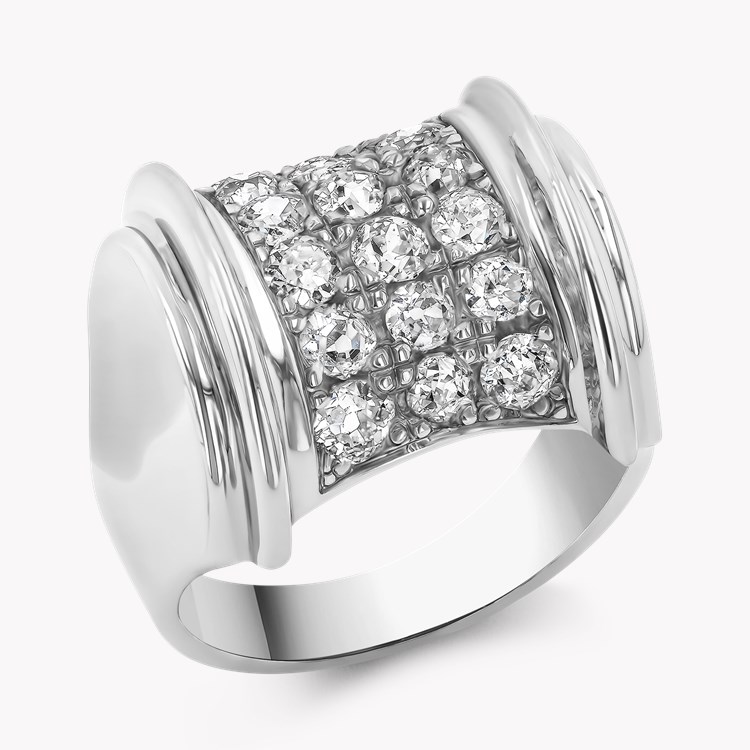
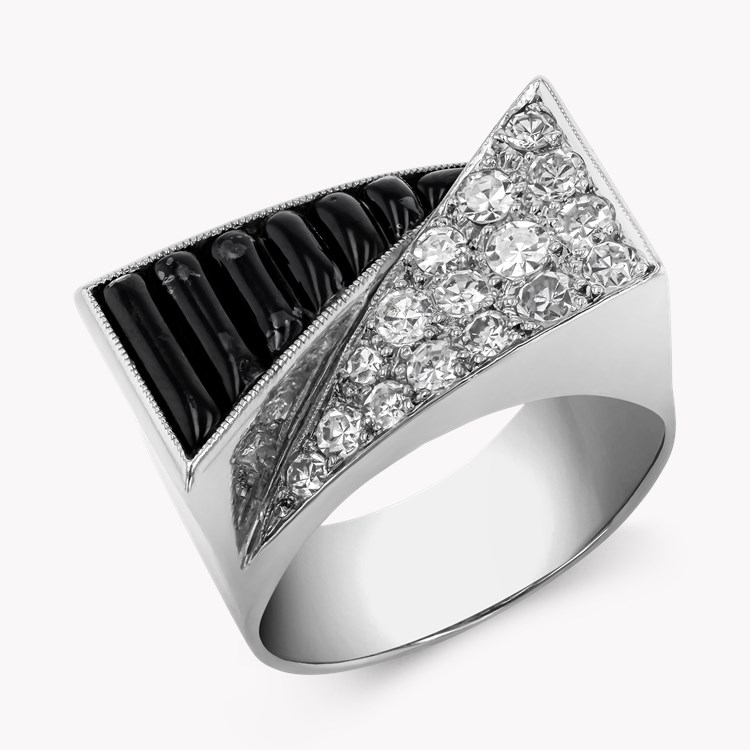
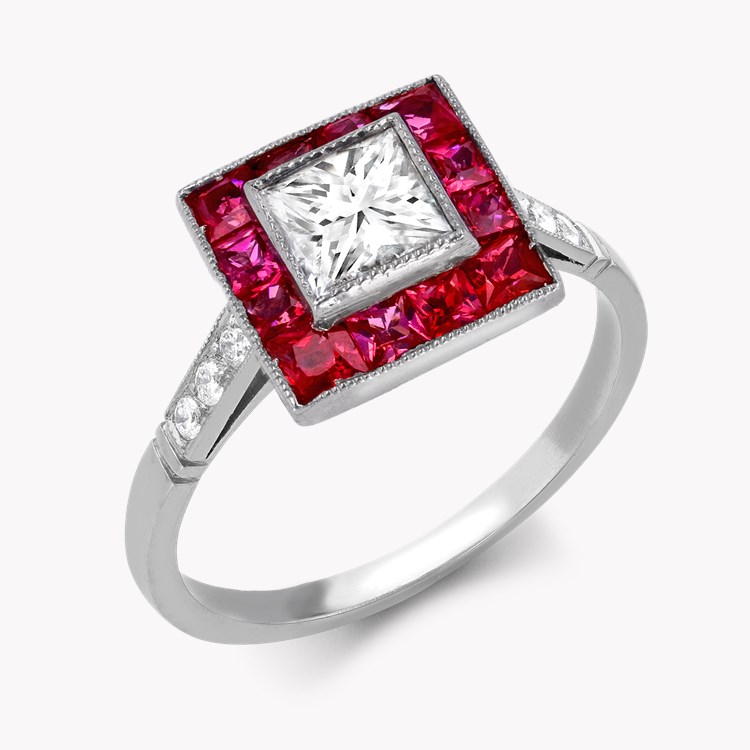
• Art Deco pieces are known for their geometric shapes and bold symmetry, showcasing a sense of elegance and modernity.
• Retro jewellery features oversized, glamorous designs that exude opulence and flair, often incorporating vibrant gemstones.
• Mid-Century jewellery embraces clean lines and modernist influences, prioritising simplicity and functionality.
These stylistic cues are essential in identifying genuine vintage jewellery, allowing collectors and enthusiasts to appreciate the craftsmanship and history behind each piece.
Why Choose Authentic Vintage Jewellery?
1. Unmatched Craftsmanship
Older pieces were often created by skilled artisans, making them more durable and intricate than many modern items.
2. Sustainability
Buying estate jewellery or vintage pieces supports sustainable fashion by reducing demand for newly mined materials.
3. Investment Value
Authentic vintage and antique jewellery can appreciate in value due to rarity, quality, and historic significance.
4. Unique Style
No two vintage pieces are exactly alike, giving wearers a distinctive look unavailable in modern store collections.
Shop Antique and Vintage Jewellery at Pragnell
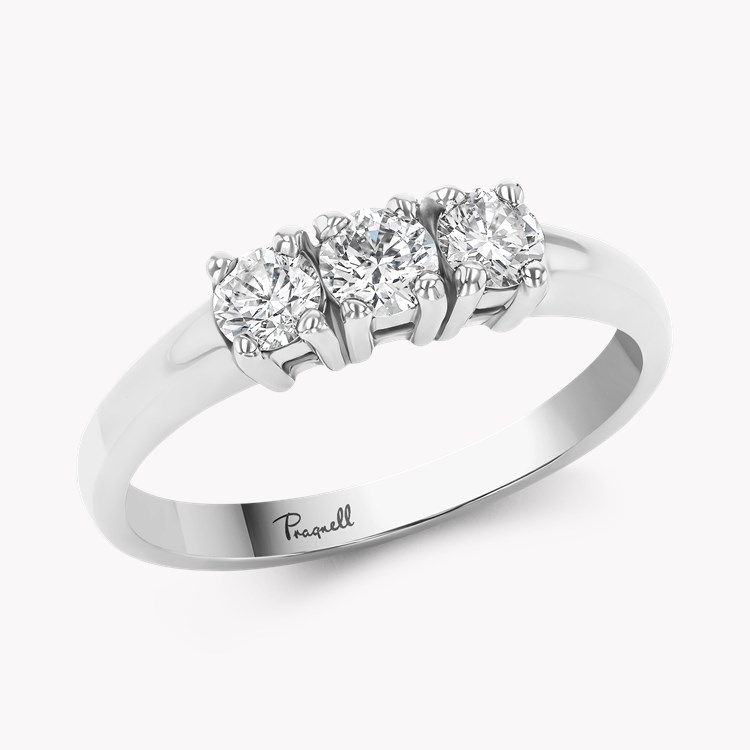
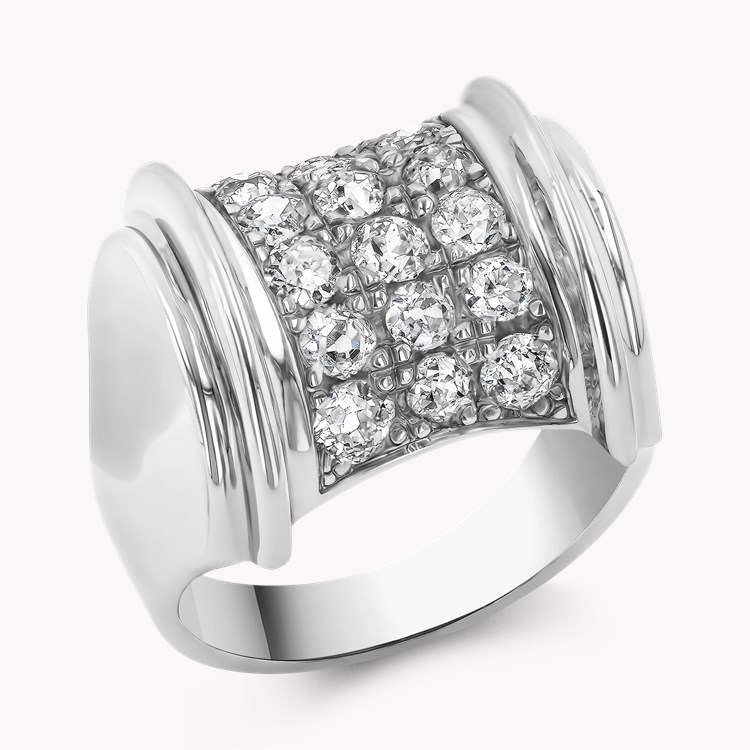
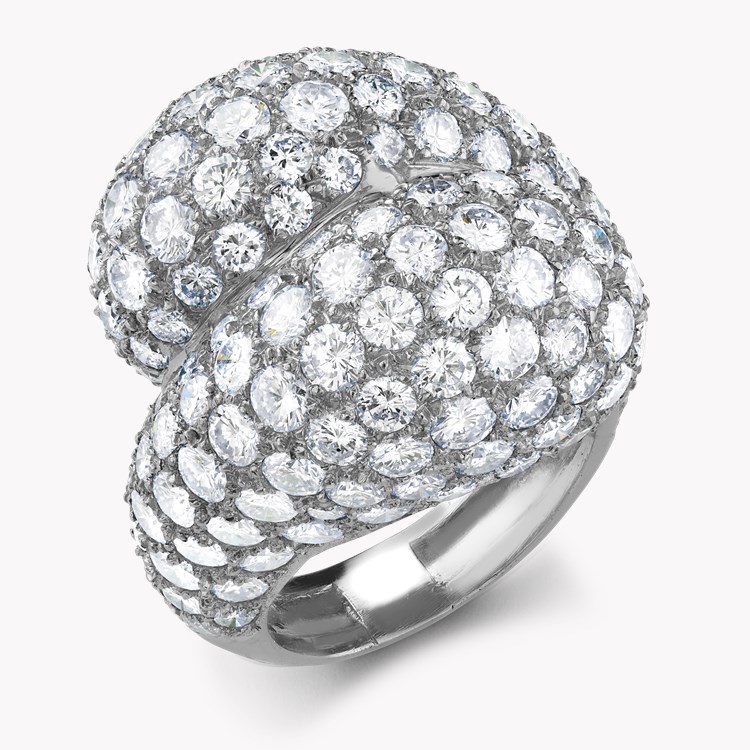
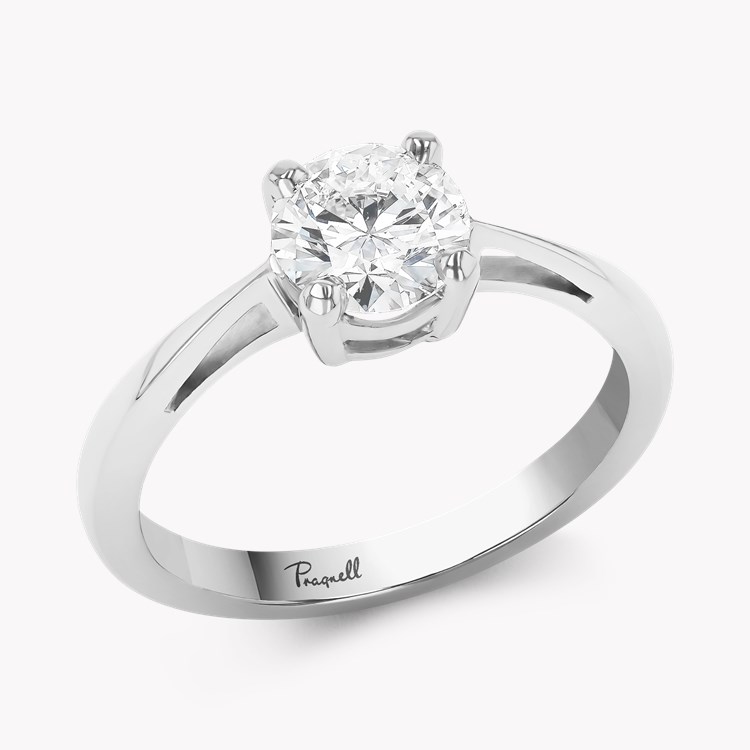
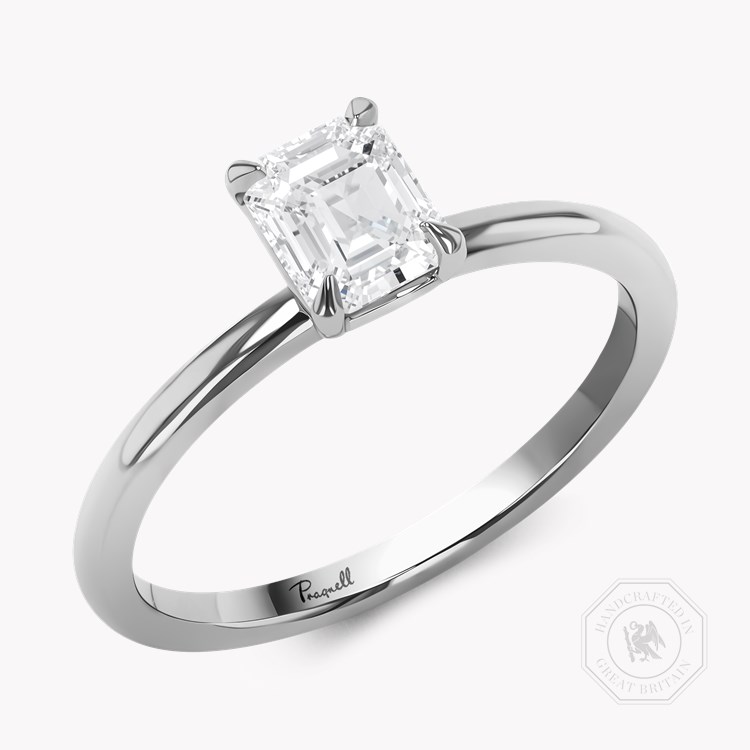
Each of the pieces in our collection has been hand selected by a member of the Pragnell family. We make it our mission to seek out the finest examples of each era, including signed jewels by world-renowned houses at their zenith, when they were still owned and run by the founding families

How to Verify Authentic Vintage Jewellery
✔ Work with reputable dealers
Choose reputable jewellers specialising in estate and vintage jewellery. They guarantee the authenticity, provenance, and quality of each piece.
✔ Ask for provenance
Request documentation, original packaging, or records of ownership from previous owners to confirm the authenticity and provenance of vintage jewellery pieces.
✔ Seek professional appraisal
Consult certified gemmologists and appraisal experts for guidance. They verify the authenticity of metals and stones and confirm the era of the vintage jewellery.
✔ Learn the hallmarks of each era
Study vintage hallmarks and characteristics from each era. This knowledge helps you spot authentic vintage jewellery and distinguish valuable, genuine pieces.
Frequently Asked Questions
Below are the answers to our most commonly asked questions. Should you want to find out more please feel free to Contact Us and begin your Pragnell experience.
• Hallmarks, such as maker’s marks or karat stamps
• Evidence of hand craftsmanship, like minor irregularities in cuts or details
• Style clues, such as Art Deco, Victorian, or Mid-Century designs
• Wear patterns that match the piece’s age.
A jeweller or appraiser can help confirm if your piece is authentic.
• Age and rarity
• Craftsmanship, which is often better than what you find in modern mass-produced items
• The designer or maker, such as Tiffany or Cartier
• Condition
• Materials, like high-quality gemstones, platinum, or 18K gold
• Historical significance
Uniqueness, and collectability also play a significant role.
• Victorian (1837 to 1901): Look for romantic motifs, garnets, and seed pearls.
• Art Nouveau (1890 to 1910): Pieces often feature nature themes, enamel, and flowing lines.
• Art Deco (1920 to 1935): Look for geometric shapes, platinum, and diamonds.
• Retro (1940s): These pieces often have bold gold designs and large gemstones.
• Mid-Century (1950s and 60s): Look for clean lines and cocktail rings.
You can also use hallmarks and construction techniques to help identify the era.
• Hallmarks or maker’s marks
• Metal testing, such as acid tests or electronic testers
• Gemstone authenticity tests, like checking the refractive index or looking for inclusions
• Construction quality, such as whether it’s solid or hollow, or if the stones are hand-cut
Getting a professional appraisal is the most reliable way to know for sure.
• Do not soak delicate pieces, especially those with pearls, opals, or foil-backed stones.
• For gold and diamonds, gently clean them with a soft brush, warm water, and a little mild soap.
• If your vintage jewellery has fragile settings, it is best to have it cleaned by a professional.
At Pragnell, we offer a professional jewellery cleaning and polishing service.
• Because these pieces are no longer produced, their rarity enhances their desirability and value.
• Materials like platinum and old-cut diamonds are particularly prized for their quality and uniqueness.
• Jewellery by well-known designers often becomes more valuable over time.
However, factors such as the piece’s condition, rarity, and current market trends also play significant roles.
• Vintage jewellery is between 20 and 99 years old.
• Estate jewellery refers to any piece that has been previously owned, regardless of its age. It may be modern, vintage, or antique.
• Keep each piece separate to prevent scratches.
• Use anti-tarnish pouches to protect silver items.
• Keep opals and pearls away from dryness, heat, and chemicals.
Storing your jewellery properly helps protect both the settings and the gemstones.
• Victorian: garnet, turquoise, seed pearls
• Art Nouveau: opal, moonstone, enamel
• Art Deco: diamonds, sapphires, emeralds, onyx
• Retro: aquamarine, citrine, ruby
Old mine-cut and old European-cut diamonds are also distinctive features of vintage jewellery.
• Look up similar pieces online to understand their market value.
• Think about where you want to sell your jewellery. Some good options include auction houses (ideal for high-value or designer items), vintage jewellery dealers, consignment shops, and online marketplaces.
If you have authenticity papers or the original boxes, these can make your jewellery more valuable.
Antique CLP Page
Contact us