
Antique & Vintage Jewellery Guides
Every antique and vintage jewel reflects the moment it was made, from the materials and techniques available to the fashions and sentiments of the day. At Pragnell, our antique jewellery specialists bring a depth of knowledge to the study and selection of exceptional pieces. These guides draw on that expertise, helping you recognise the materials, craftsmanship and character of each period, whether you are choosing your first antique ring or adding to an established collection.
A piece is generally considered antique once it is more than 100 years old, while vintage usually describes jewellery between around 20 and 100 years old. Our guide to antique vs vintage jewellery explains the difference in more detail, while our guide to genuine antique jewellery shows you how to recognise an authentic piece and what to look for when buying.




Jewellery Through the Eras
Georgian (1714–1837)
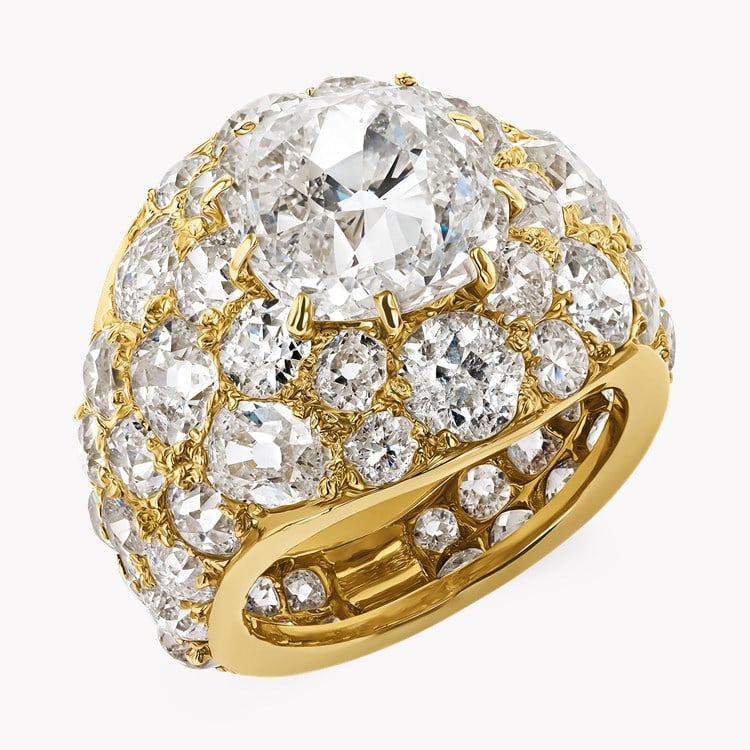
Georgian jewellery often features rose and old mine cut diamonds in foiled, closed-back settings that enhance their appearance. Handcrafted and increasingly rare, surviving pieces offer a remarkable insight into the artistry of the period.
Victorian (1837–1901)
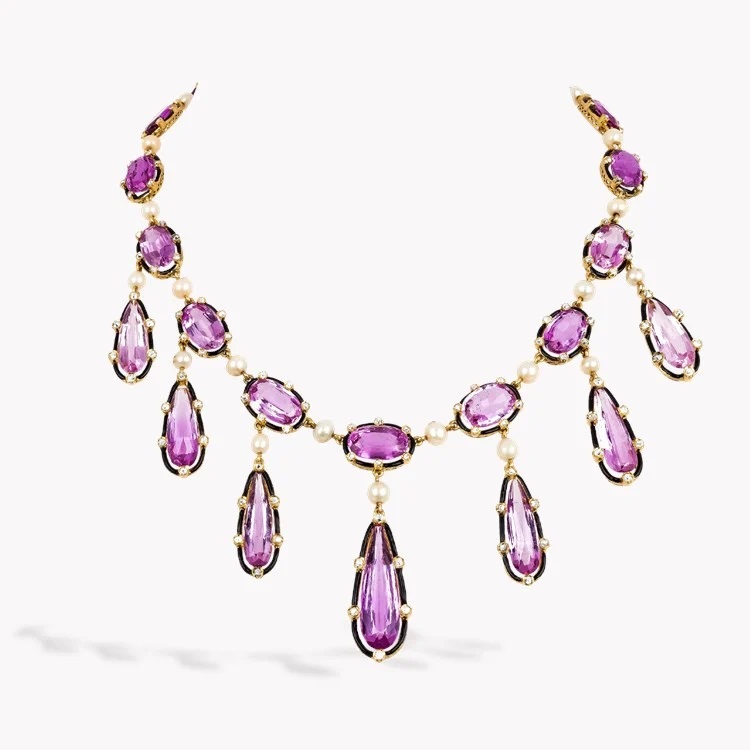
Queen Victoria’s long reign saw a wealth of jewellery styles, from romantic serpent rings and sentimental lockets to the jet mourning jewellery associated with Prince Albert’s death. Later designs embraced the lighter forms and decorative motifs of the Aesthetic movement.
Belle Époque (1871–1914)
Taking its name from the French for “beautiful era”, the Belle Époque is associated with delicate garland-style jewels. Bows, wreaths and swags, set with diamonds and pearls, capture the refined elegance of the period.
Art Nouveau (1890–1910)
Drawing inspiration from the natural world, Art Nouveau jewellers favoured flowing lines, dragonflies, flowers and the female form. Techniques such as plique-à-jour enamelling brought colour and translucency to these expressive designs.
Edwardian (1901–1915)
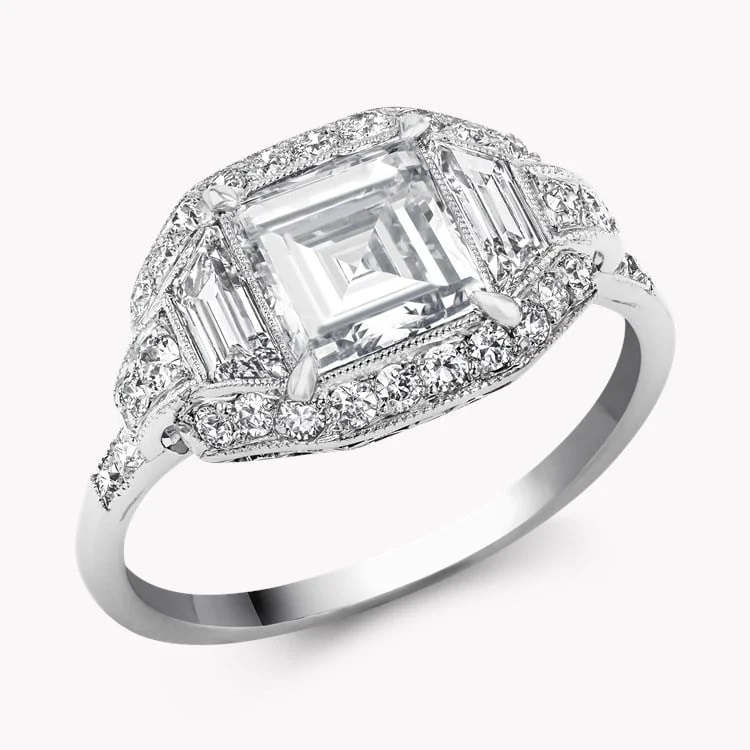
The use of platinum allowed Edwardian jewellers to create delicate, lace-like settings. Diamonds and pearls, often framed by fine millegrain borders, give the jewellery of this period its distinctive white-on-white elegance.
Art Deco (1920–1939)
Bold geometry, clean lines and striking contrasts define Art Deco jewellery. Platinum and diamonds are often paired with calibré-cut sapphires, emeralds, rubies and onyx, creating designs with an enduring sense of modernity.
Retro (1935–1960)
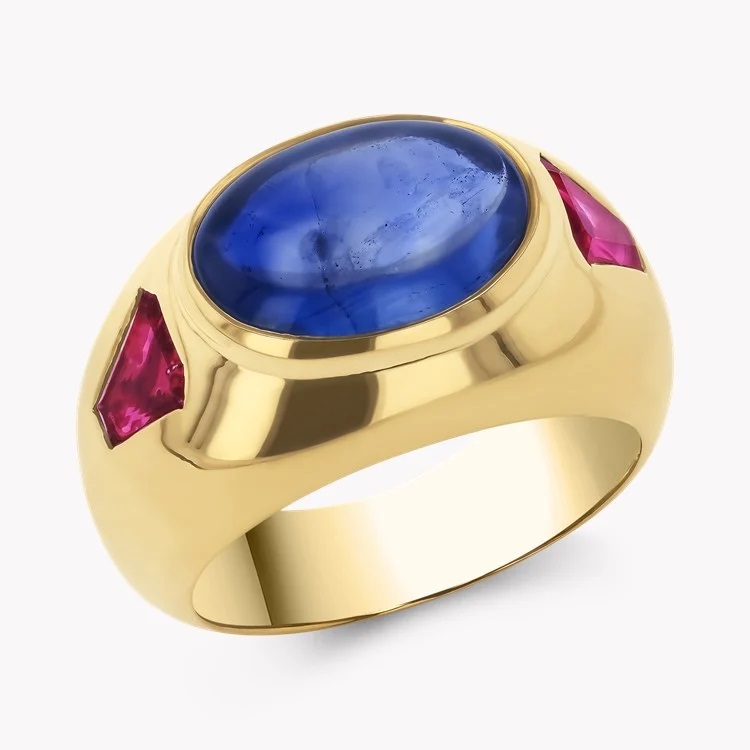
Rich rose and yellow gold, sculptural forms and bold proportions characterise Retro jewellery. With wartime restrictions limiting the use of platinum, jewellers explored expressive gold designs that captured the glamour of Hollywood.
For the histories and distinctive design signatures of some of the great names in fine jewellery, explore our guide to Iconic Jewellery Houses.
Frequently Asked Questions
Below are the answers to our most commonly asked questions. Should you want to find out more please feel free to Contact Us us and begin your Pragnell experience.
Antique CLP Page
Contact us