
What Is Genuine Antique Jewellery?
A Complete Guide to Understanding Authentic Antique Pieces
Antique jewellery possesses a timeless allure, captivating collectors and enthusiasts alike. However, distinguishing truly antique pieces from imitations can be challenging. What defines genuine antique jewellery? How can you confidently identify authenticity, and what sets it apart from vintage or reproduction items? This guide covers the essentials: key definitions, common hallmarks, and expert tips to help you recognise authentic antique jewellery.
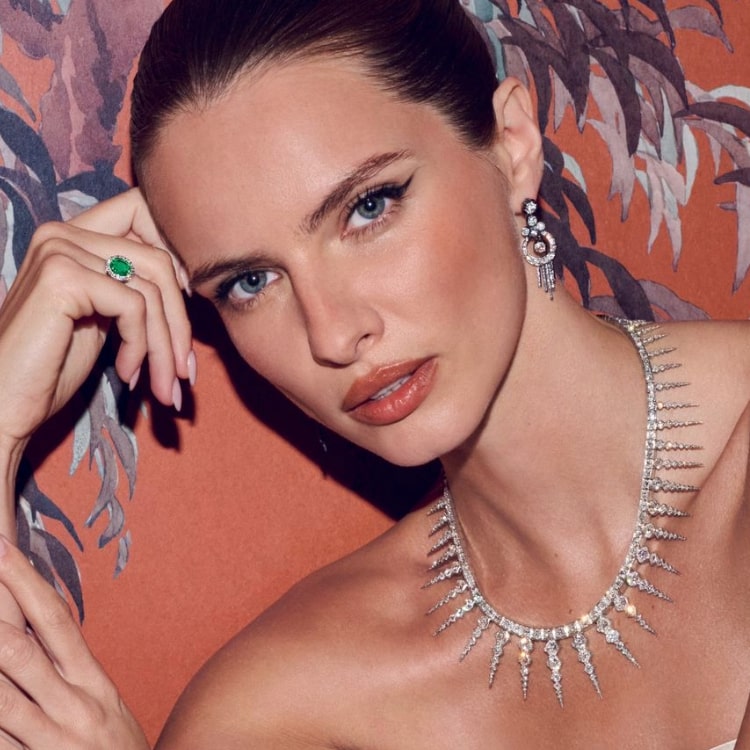
What Is Considered Antique Jewellery?
Genuine antique jewellery is any piece that is at least 100 years old. Jewellers, collectors, and appraisal experts generally agree on this standard. Jewellery made between 20 and 99 years ago is usually called vintage, while estate jewellery refers to jewellery that was previously owned, regardless of its age.
Here are some main features of antique jewellery:
• Made more than 100 years ago
• Created with traditional methods that are rarely used now
• Often entirely made by hand
• Includes gemstones and metals shaped or cut using old techniques
How to Identify Genuine Antique Jewellery
Authenticating antique jewellery requires a combination of craftsmanship analysis, hallmark inspection, and historical knowledge. Here are the most reliable indicators:
✔ Hallmarks and Maker’s Marks
These marks help determine age and authenticity:
• Metal purity stamps (e.g. 18ct, 15ct, 9ct for gold)
• Silversmith or maker’s marks
• Date letters (common in British jewellery)
• Country of origin marks
✔ Craftsmanship Techniques
Most antique jewellery was made by hand, which means:
• Slight asymmetry is common
• Gemstones may be set in hand-cut settings
• Filigree work, repoussé, hand engraving, and old soldering marks may be visible
✔ Old Gemstone Cuts
Genuine antique jewellery often includes gemstone cuts that differ from modern precision-cut stones and help date a piece:
• Old Mine Cut
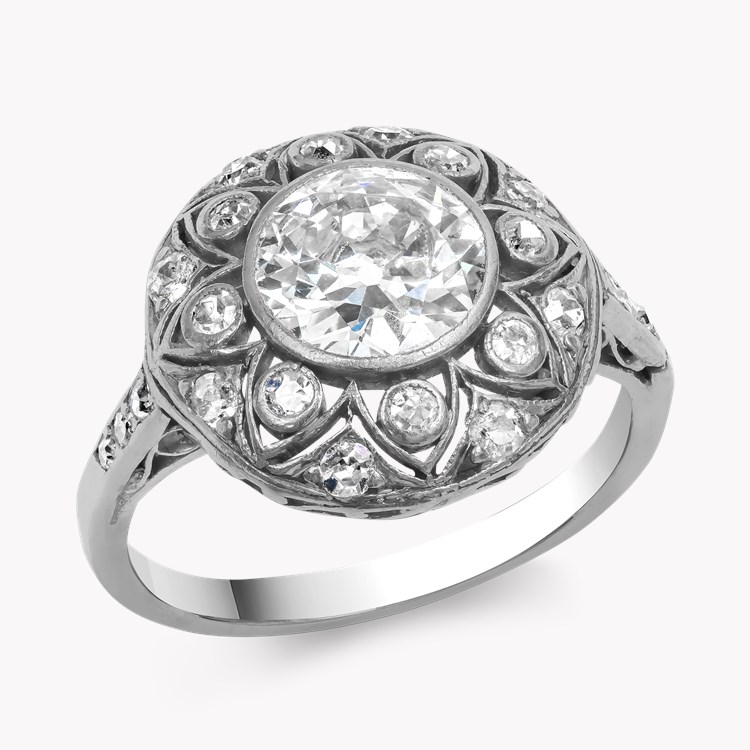
• Old European Cut
• Rose Cut
• Cabochon stones
✔ Wear and Patina
Signs of age-appropriate wear can help show if an item is authentic:
• Colour changes produced by oxidation over a long period
• Softening of edges
• Older clasp and hinge styles
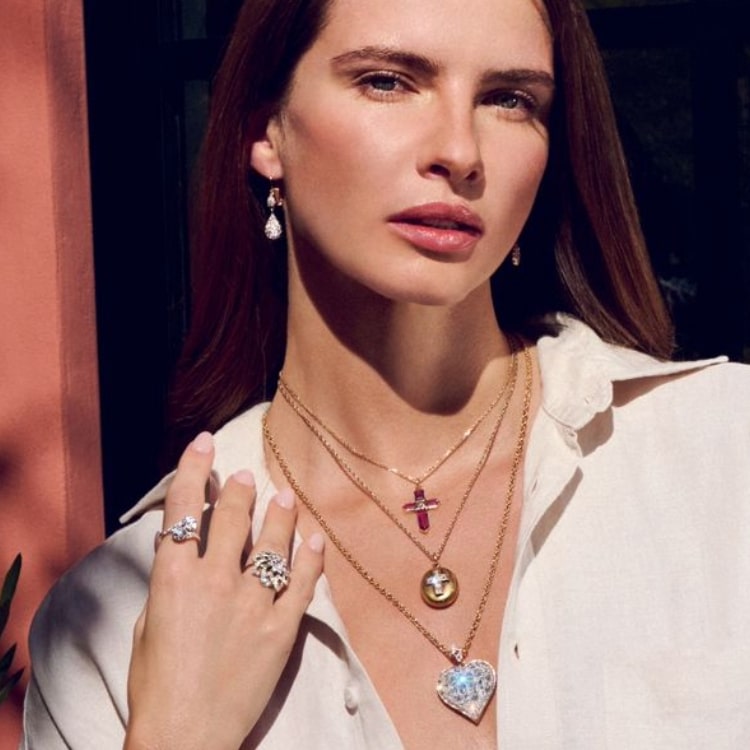
Common Antique Jewellery Styles by Era
Knowing which styles belong to each period can help you confirm a piece's age and authenticity.
• Georgian Era (1714–1837): Jewellery from this period was handmade with detailed repoussé work, closed-back settings, and natural motifs such as leaves, flowers, and birds.
• Victorian Era (1837–1901): Jewellery often featured romantic symbols such as hearts, bows, and lockets. Mourning pieces used jet and onyx, and both rose gold and yellow gold were popular.
• Art Nouveau (1895–1910): This style features enamelwork, flowing forms inspired by nature, and pastel-coloured gemstones.
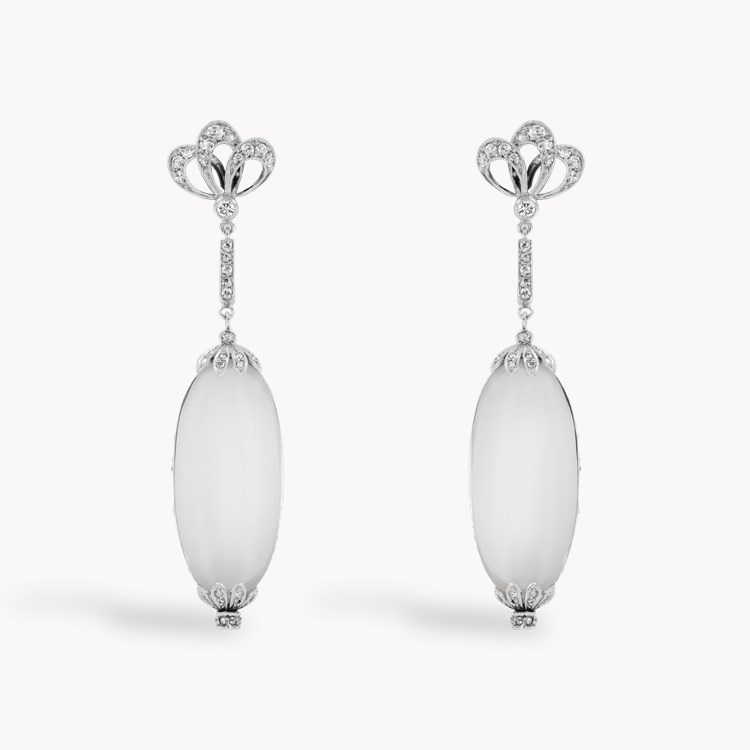
• Edwardian Era (1901–1910): Jewellery from this era is known for platinum lacework, combinations of pearls and diamonds, and delicate, elegant designs.
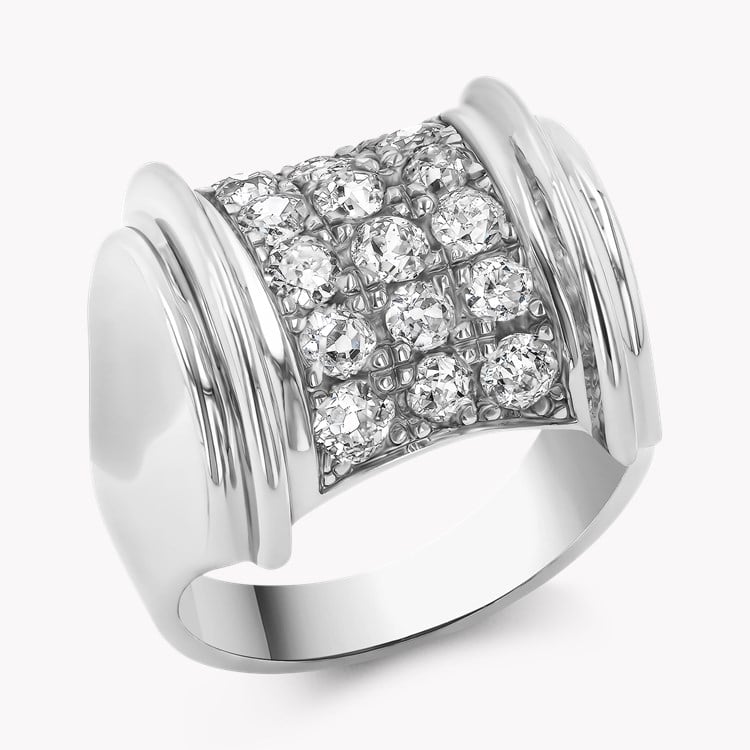
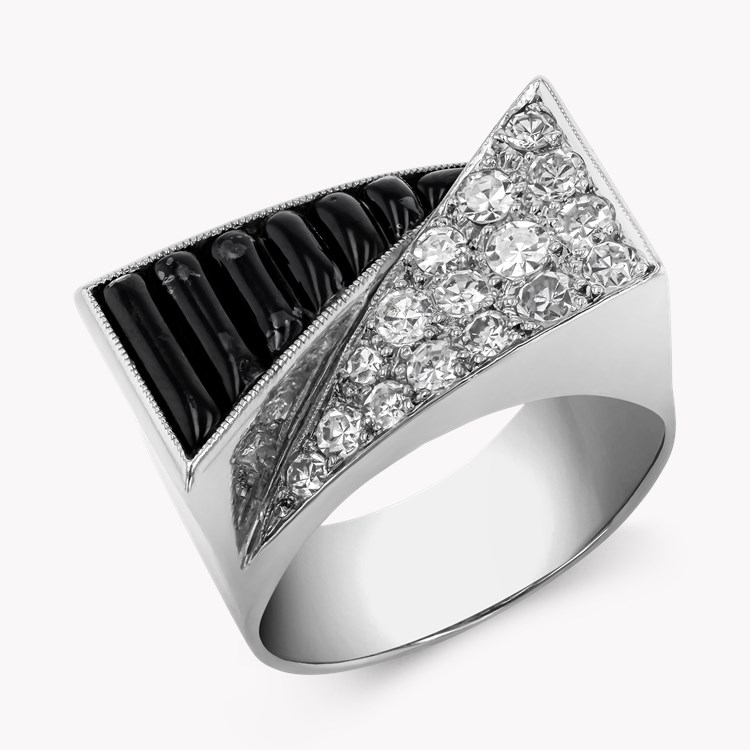
• Art Deco (1911–1940): Pieces from this period are known for their geometric shapes and bold symmetry, showcasing a sense of elegance and modernity.
Shop Antique Jewellery
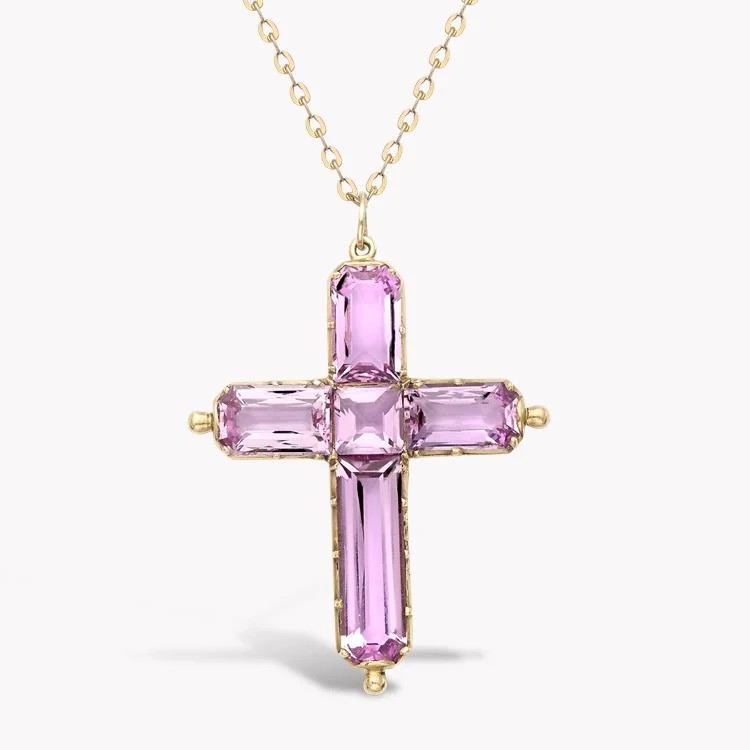
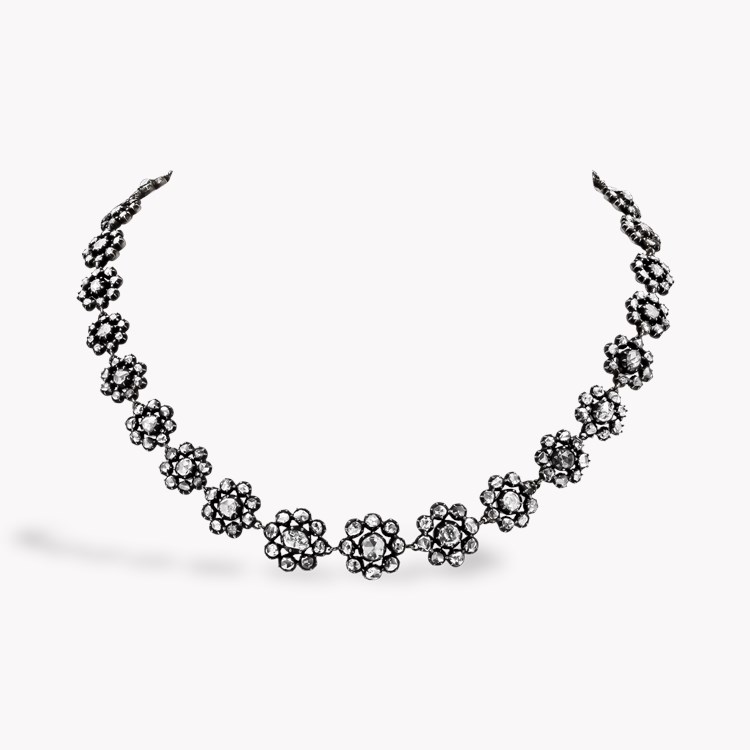
-min.jpg)
Why Genuine Antique Jewellery Is Valuable
Collectors value antique pieces for a few key reasons:
• Rarity: Many antiques are truly one-of-a-kind.
• Craftsmanship: These pieces were made by hand, using techniques that are rarely seen today.
• Historic value: Every piece has its own story to tell.
• Ethical sourcing: Choosing antiques helps support more sustainable jewellery practices.
Antique jewellery often retains its value or even appreciates over time.
Tips for Buying Genuine Antique Jewellery
When you’re investing in antique jewellery, choosing the right jeweller makes all the difference. At Pragnell, you can buy with complete confidence thanks to generations of expertise and an unwavering commitment to authenticity.
• Trusted heritage and reputation – With a long-standing history in fine jewellery, Pragnell is known for its integrity, expertise, and exceptional craftsmanship.
• Expert authentication – Every antique piece is carefully sourced and assessed by our specialists, ensuring it is genuine and accurately represented.
• Clear provenance – Wherever possible, we provide details of origin, history, and documentation so you know exactly what you’re buying.
• Deep knowledge of historical styles – Our experts understand the nuances of each jewellery era, from Georgian to Art Deco, helping you appreciate what makes a piece truly special.
• Professional in-house valuations – If you need a formal appraisal, our accredited valuers can provide one, giving you added assurance and protection.
Shop Antique and Vintage Jewellery at Pragnell
Purchasing from Pragnell means more than simply acquiring an antique piece—it means owning a piece of history selected with care, authenticated with precision, and backed by generations of expertise.
Whether you’re a collector, an investor, or someone who simply loves jewellery with a story, Pragnell ensures that every antique you choose is both meaningful and authentic.

Frequently Asked Questions
Below are the answers to our most commonly asked questions. Should you want to find out more please feel free to Contact Us and begin your Pragnell experience.
• Georgian (1714 to 1837): Known for elegant metalwork and gemstones
• Victorian (1837 to 1901): Features romantic and sentimental designs
• Art Nouveau (1895 to 1910): Inspired by nature, with flowing motifs
• Edwardian (1901 to 1910): Famous for delicate, lace-like platinum work
• Art Deco (1911 to 1940): Celebrated for geometric shapes and bold symmetry
Antique CLP Page
Contact us