
Watch Anatomy: The Complete Guide to the Parts of a Wristwatch
Understanding the anatomy of a watch helps you appreciate its craftsmanship, choose the right model, and maintain it properly. This guide walks through every key part of an analogue wristwatch—from the external components you see every day to the internal movement powering it.
Learn how each part—from the movement to the bezel, case and dial—contributes to performance and design.
What are the Main Parts of a Watch?
A wristwatch is composed of external elements that shape its appearance and protect its mechanism, and internal components that enable it to keep time accurately. Each part plays a distinct role in durability, functionality, and design.
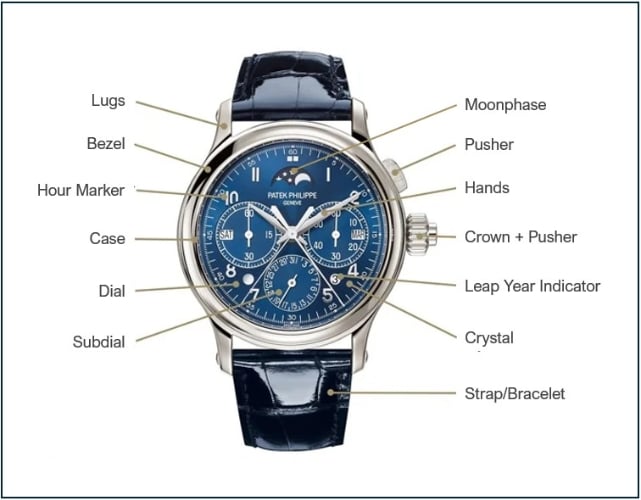
The Watch Exterior
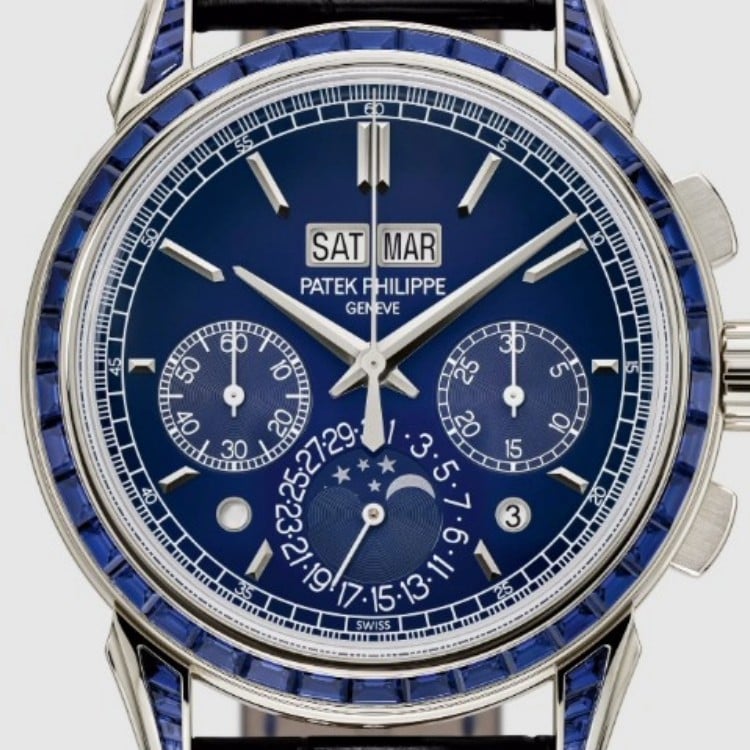
Case
The watch case is the outer shell that protects the movement and gives the watch its overall shape. Common shapes are: round, square, cushion, tonneau and rectangular.
Popular materials include:
• Stainless steel – durable and corrosion-resistant
• Titanium – lightweight and hypoallergenic
• Ceramic – scratch-resistant, modern aesthetic
• Gold or platinum – luxury materials, heavier
• Carbon fibre or forged carbon – extremely light and modern
Case back options include:
• Solid case back (steel or precious metal)
• Exhibition case back uses a sapphire window to reveal the internal movement
• Screw-down case back for improved water resistance
• Snap-on for simpler, dress-style watches
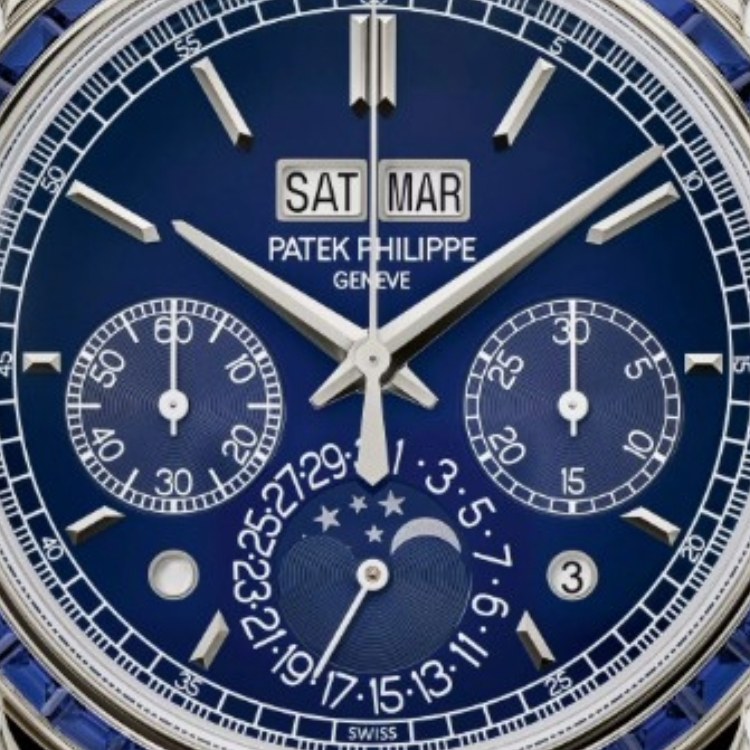
Dial (Watch Face)
The dial is the surface that displays the time. It features hands, hour markers, and often subdials or a date window.
Dials vary in texture, finish and material:
• Sunburst – radial light-play finish
•
Enamel – smooth, high-end
•
Guilloché – engraved patterns
•
Skeleton – partially see-through
•
Meteorite – unique textured material
•
Lacquer – glossy, colourful
Sub-elements:
• Chapter ring – minute track
•
Applied markers – metal indices
•
Printed markers – ink on dial surface
• Logo and text – brand identity, depth rating, certifications
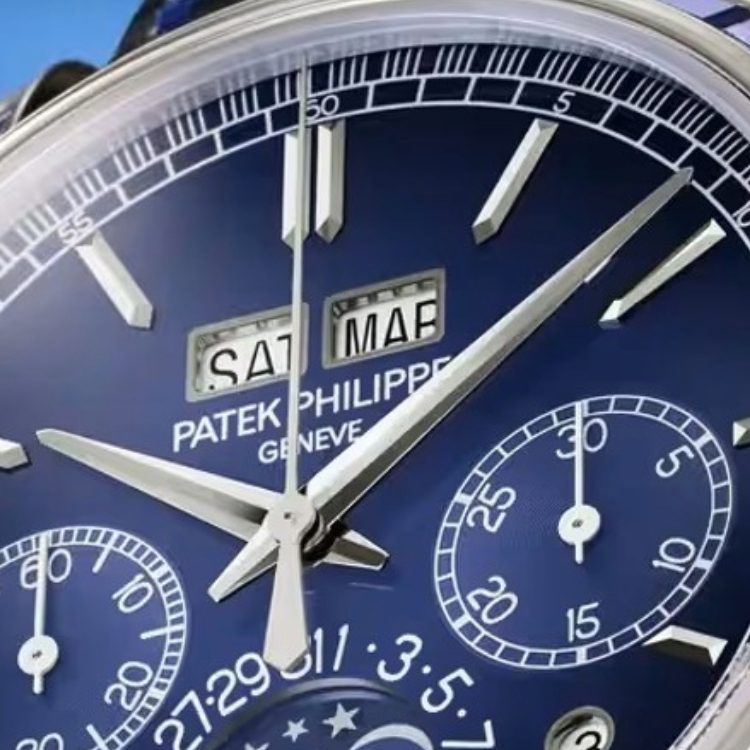
Hands
The hands point to the hours, minutes, and seconds.
Popular shapes include:
• Baton – sleek, modern
• Dauphine – triangular and faceted
• Leaf (Feuille) – elegant curves
• Alpha – tapered and sporty
• Mercedes – iconic diver hand style
• Skeletonised – openworked for visual lightness
• Lollipop – round-tipped seconds’ hand
Crystal
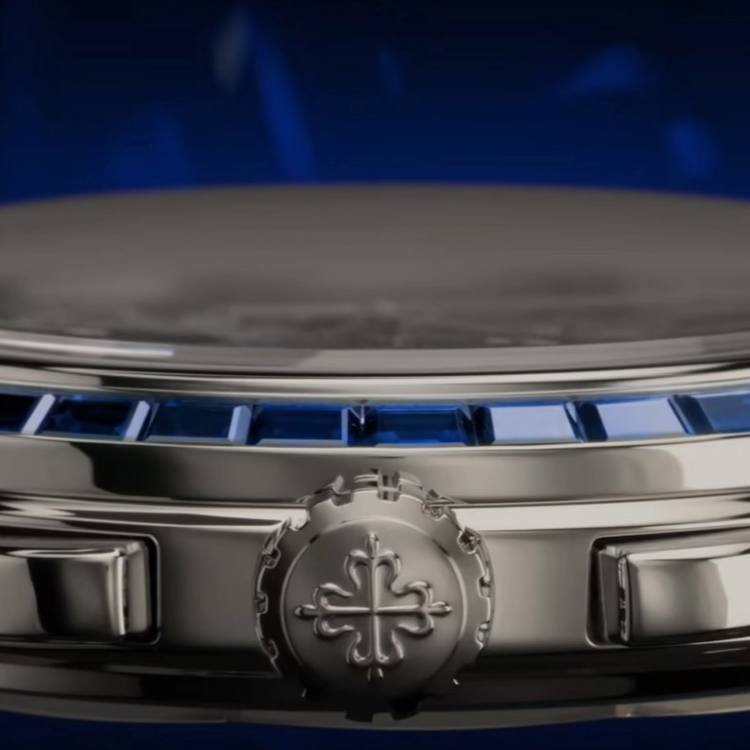
The crystal is the transparent cover that protects the dial.
Common materials:
• Sapphire crystal – highly scratch-resistant, premium choice
• Mineral glass – affordable, reasonably durable
• Acrylic – lightweight, easily polished, vintage aesthetic
Crystal Shapes:
• Flat – common on sports watches
• Domed – vintage styling, reduces distortion
• Box sapphire – premium raised profile
Bezel
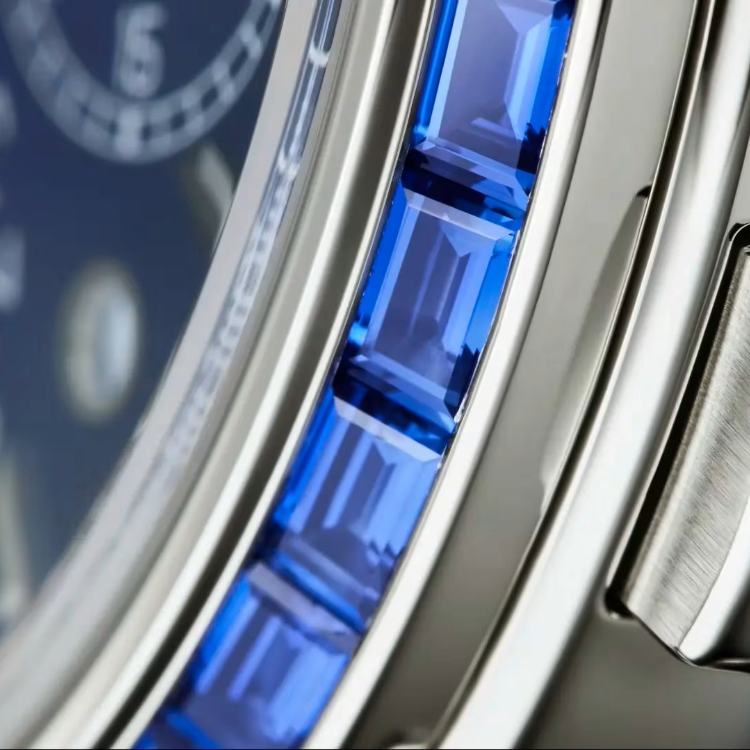
The bezel is the ring which surrounds the crystal.
Watch bezels can be crafted from a variety of high-performance and precious materials, chosen for their durability, aesthetic appeal, and specific functional properties, such as ceramic, stainless steel, titanium, aluminium, gold or platinum.
Types include:
• Fixed bezel – decorative or structural
•
Rotating bezel – for timing (e.g., divers, pilots)
•
Tachymeter bezel – calculates speed
•
Compass bezel – directional tool
• Gem-set bezel – luxury design
Some luxury watches feature gemstone bezels with channel-set diamonds, rubies, or sapphires.
Lugs
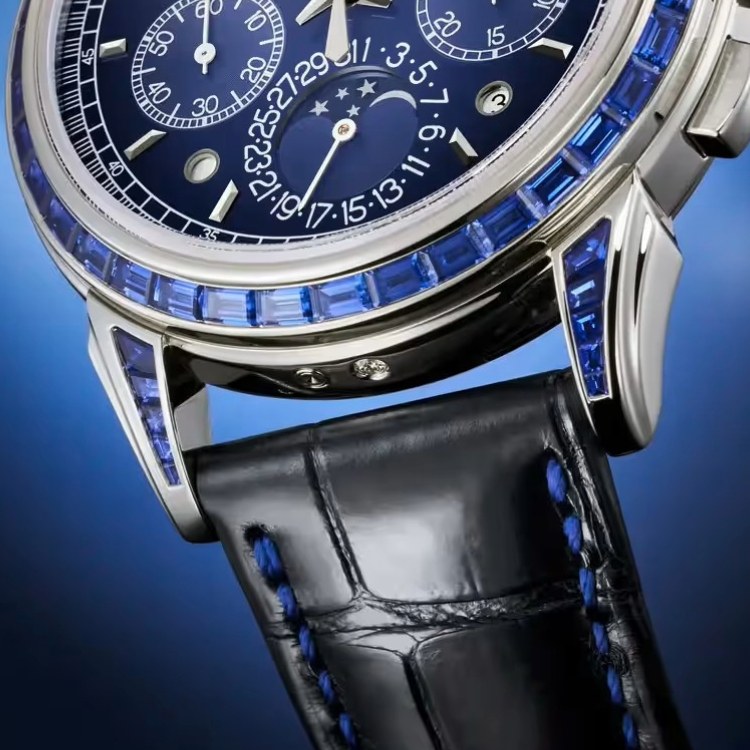
The lugs are extensions of the case that connect to the strap or bracelet.
The lug width determines which strap size fits (e.g., 20mm or 22mm).
Styles include straight, curved, hooded and integrated.
Crown
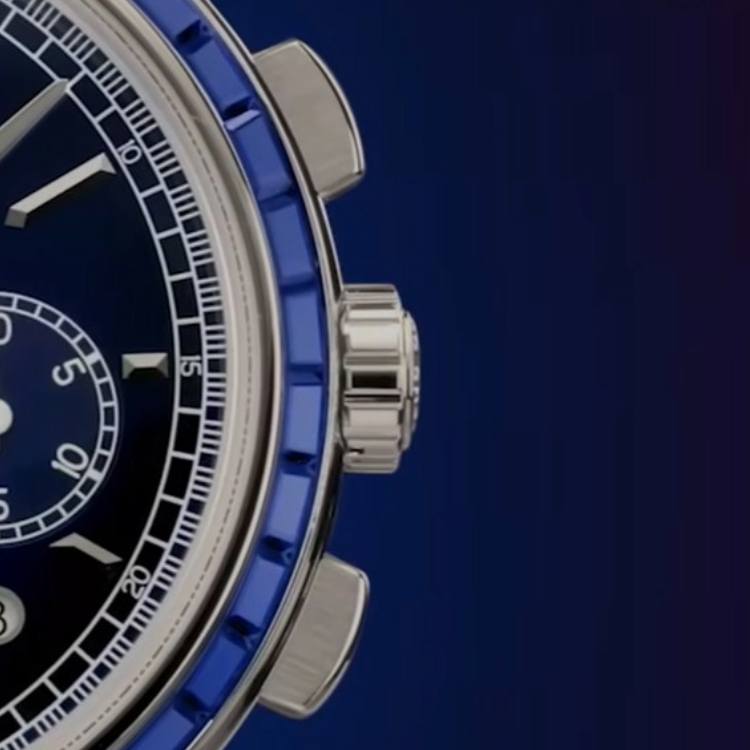
The crown—the small knob on a watch's side—serves as the main interface for the wearer, allowing them to set the time and date and wind the watch (particularly on manual or automatic models) by adjusting the mainspring and controlling the watch’s power and functions.
Push-pull crown – standard
• Screw-down crown – enhanced water resistance
• Onion crown – vintage pilots’ style
• Integrated crown guards – protect from impact
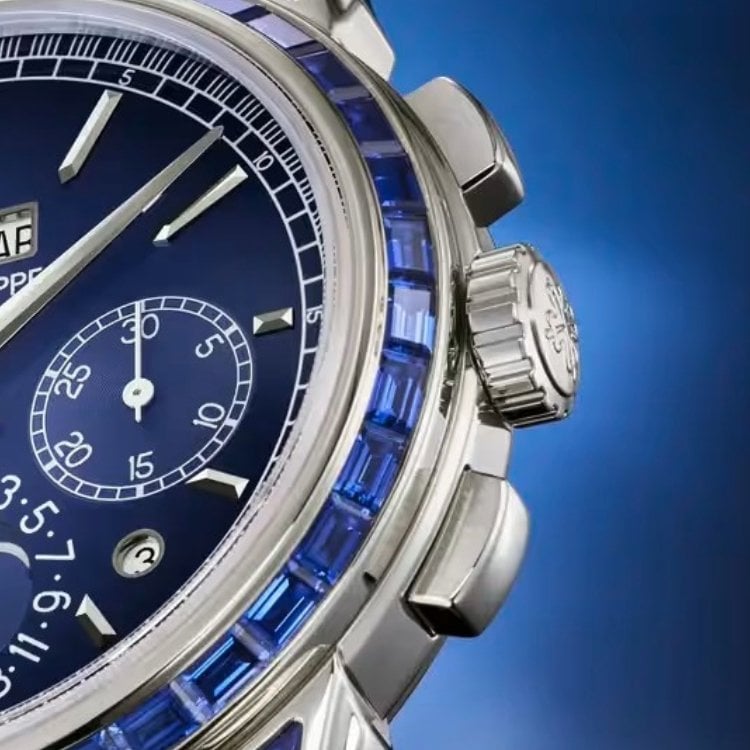
Pushers
Watch pushers are external buttons on a watch case that operate additional features. Most often, they start, stop, and reset a chronograph (stopwatch), but on more complex watches, they may also manage complications such as alarms, moon phases, or date settings.
• Chronograph start/stop/reset
• Calendar adjustments
• Moonphase correction
On high complications, pushers may be hidden, flush, or recessed.
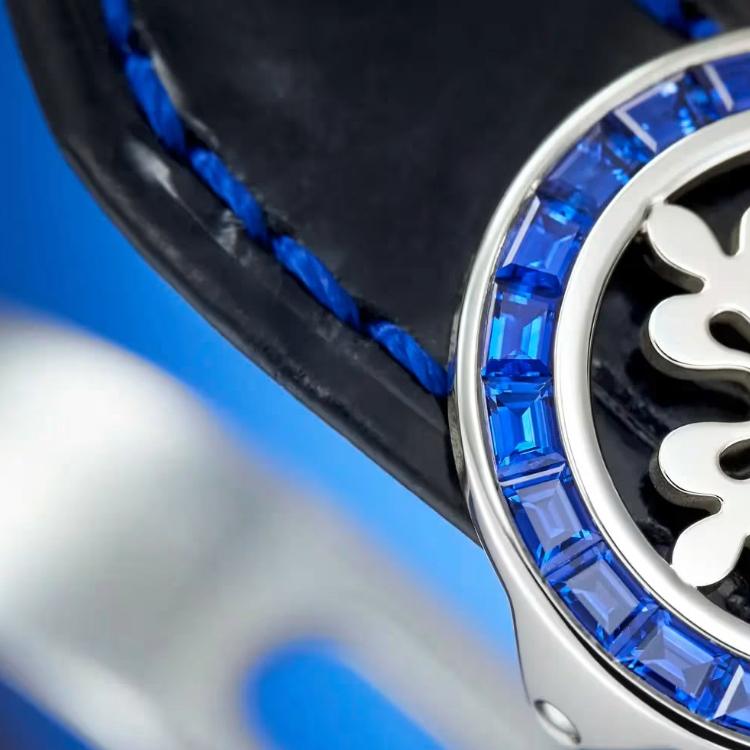
Strap or Bracelet
The watch is held to the wrist by either a strap or bracelet.
Strap materials:
• Leather – calf, alligator, ostrich, etc.
• Rubber – water resistant, sporty
• NATO/fabric – durable, military style
• Hybrid – rubber with leather inlays
Bracelet types:
• Oyster, Jubilee, President, Beads-of-Rice, Mesh/Milanese
Strap components:
• Buckle or clasp – the fastening mechanism used to secure the strap around the wrist
• Keepers – small loops on leather or fabric straps that secure the excess tail after buckling
• Spring bars (Pins) – small, spring-loaded metal pins that fit into holes between the watch lugs to attach the strap securely to the watch head
The Inner Workings of a Watch
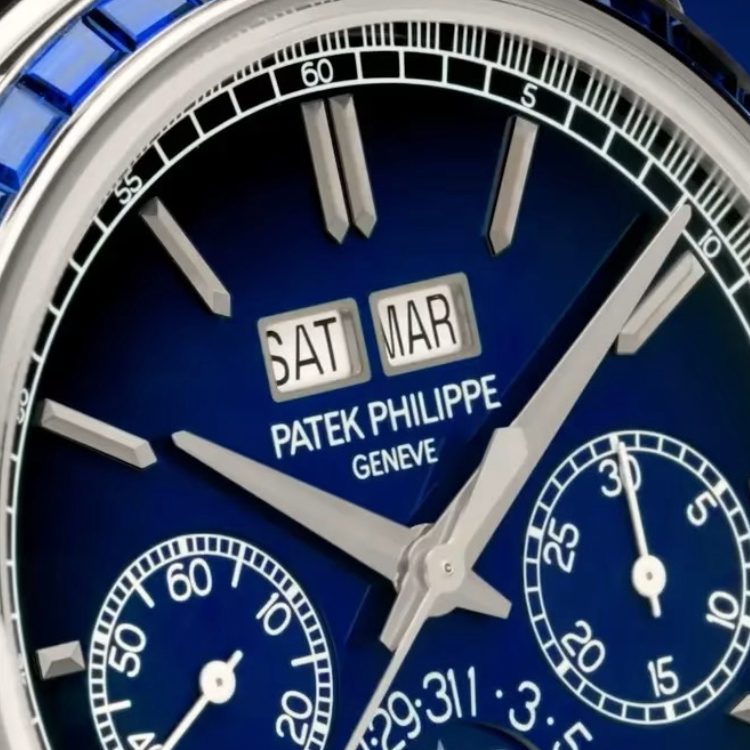
Hour Markers
The dial’s hour markers define readability, style, and overall visual character.
Common markers may be:
• Printed — Flat ink markers on the dial
• Applied metal indices — Raised metal markers for depth
• Roman or Arabic numerals — Classical or modern numeral styles
• Gem set — Markers decorated with gemstones
• Luminous — Glow in the dark visibility markers (Super-LumiNova or tritium)
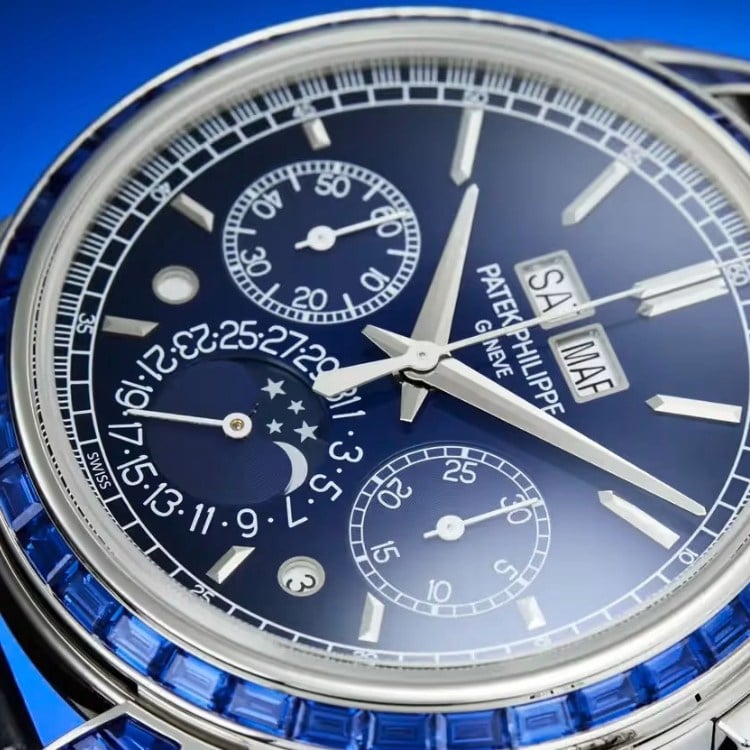
Date Aperture
A refined date aperture enriches daily timekeeping by displaying essential calendar information clearly.
Visible information may include:
• Day date — Shows weekday and date together
• Big date — Large display using two discs
• Triple calendar — Shows day, date, month
• Annual calendar — Adjusts for 30/31 day months
• Perpetual calendar — Automatically accounts for leap years
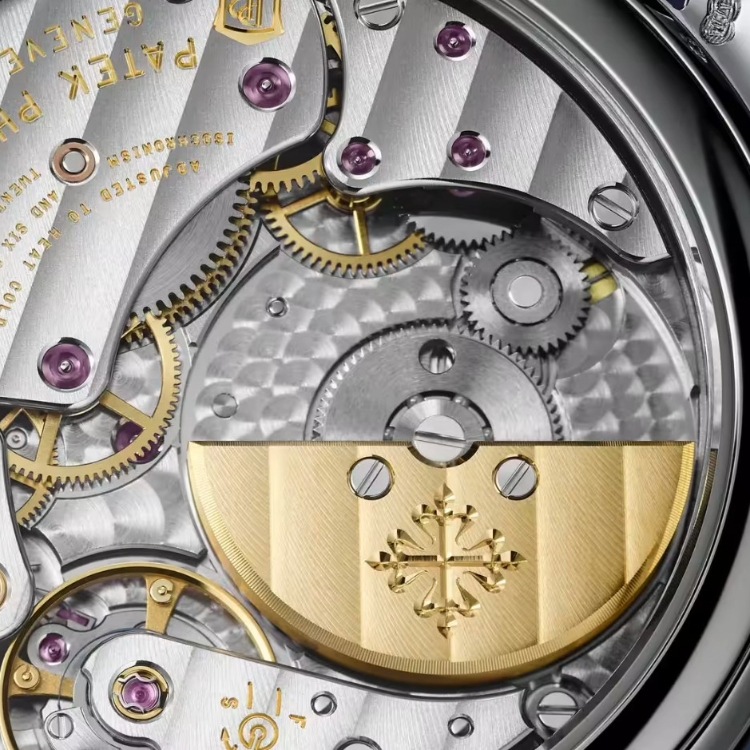
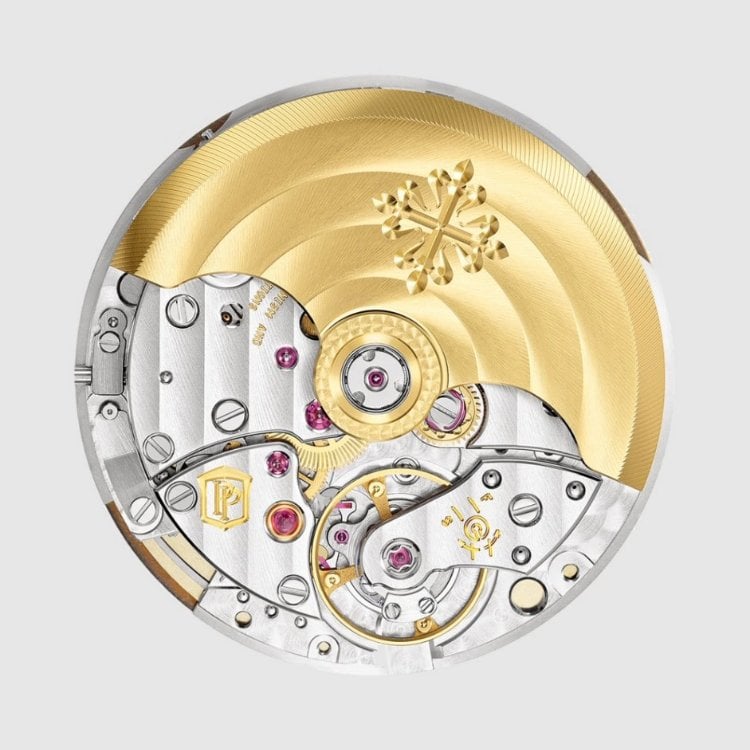
Rotor (Automatic Watches)
Automatic movements rely on rotors to convert motion into mechanical power.
The rotor is a semicircular weight that rotates freely with the wearer’s wrist motion, efficiently winding the mainspring and keeping the watch powered without manual intervention.
Types of rotor include:
• Full rotor — Standard rotating winding mass
• Micro-rotor (integrated for thinner movements) — Compact, integrated winding rotor
• Peripheral rotor — Ring rotor encircling the movement
Find out more about Automatic Watches.
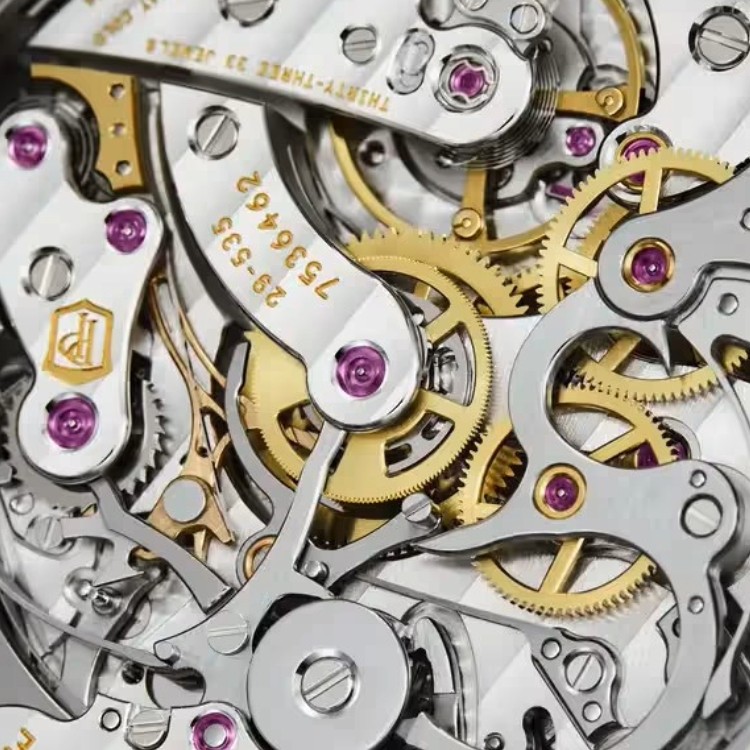
Movement
The movement is the engine of the watch; it powers the watch and drives complications.
Types include:
• Mechanical (manual-wind) – requires regular winding; prized for craftsmanship
• Automatic (self-winding) – mechanical movement wound by rotor
• Quartz (battery-powered) – highly accurate, low maintenance, often more affordable
Additional internal components include:
• Mainplate
• Bridges
• Balance wheel
• Hairspring
• Escapement
• Gear train
• Mainspring barrel
Each movement type offers different advantages in accuracy, maintenance, and craftsmanship.
Discover more about Watch Movements.
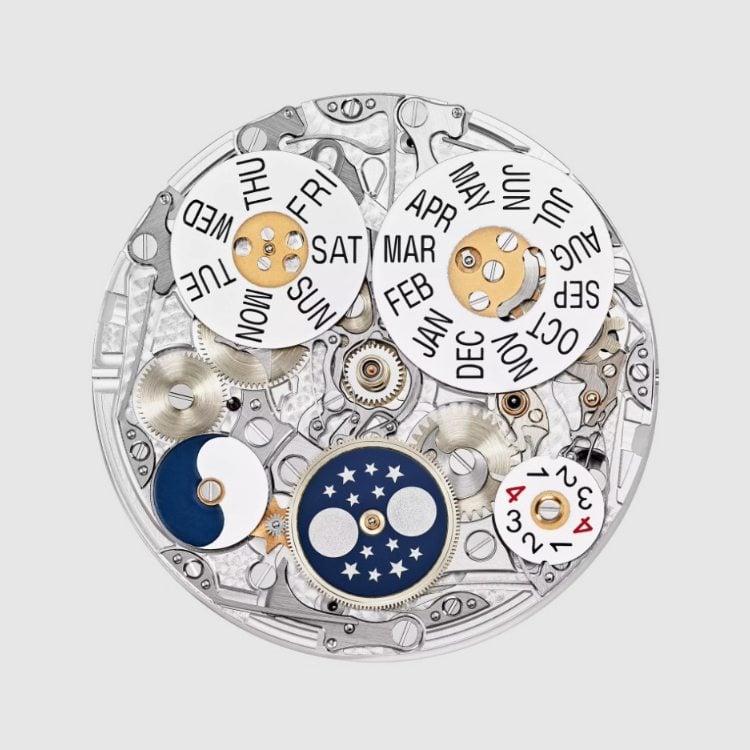
Watch Complications
A complication is any function beyond basic timekeeping.
Popular examples include:
• Chronograph
• Date / Day-Date
• GMT / dual time
• Moonphase
• Perpetual Calendar
• Power Reserve Indicator
• Minute Repeater (acoustic chimes)
• Tourbillon (accuracy enhancement)
Learn more about Watch Complications.
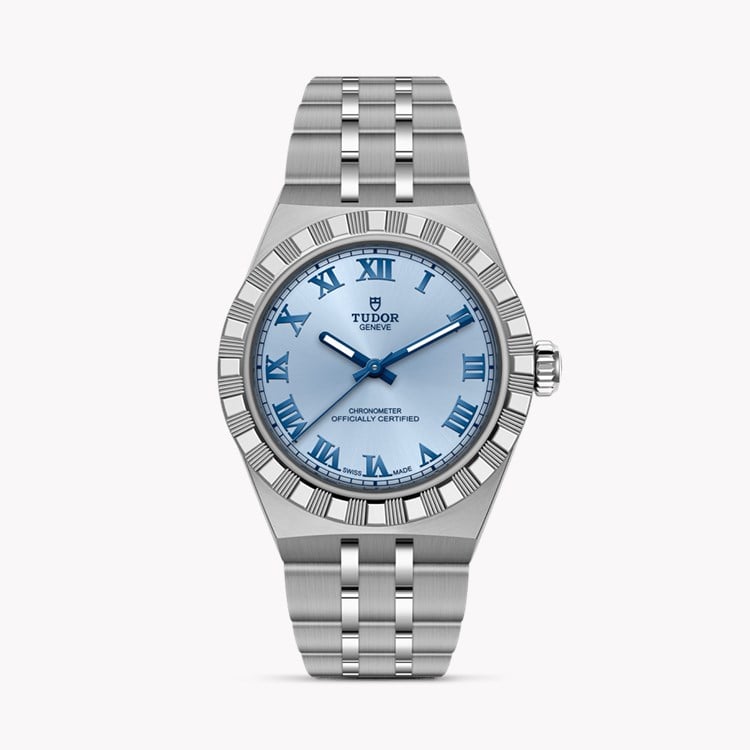
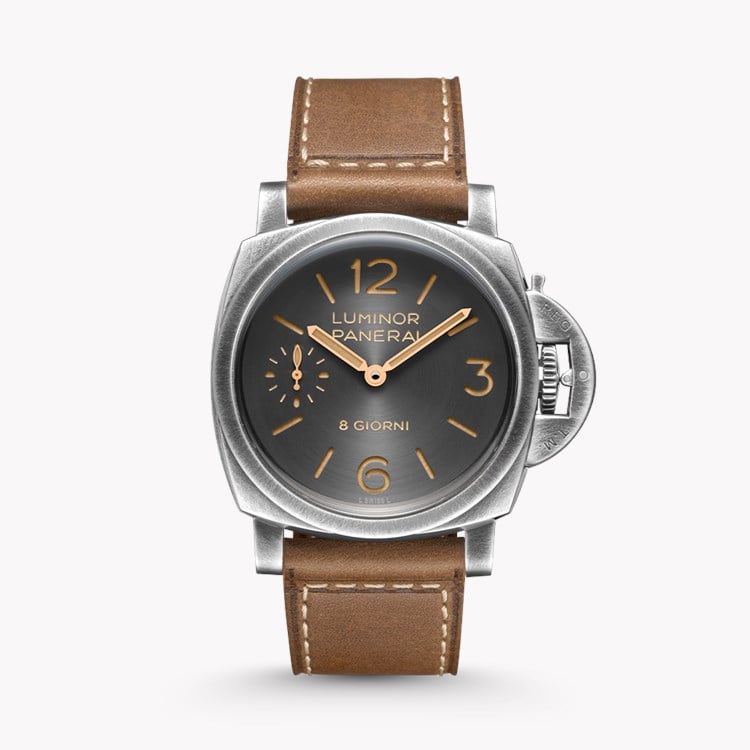
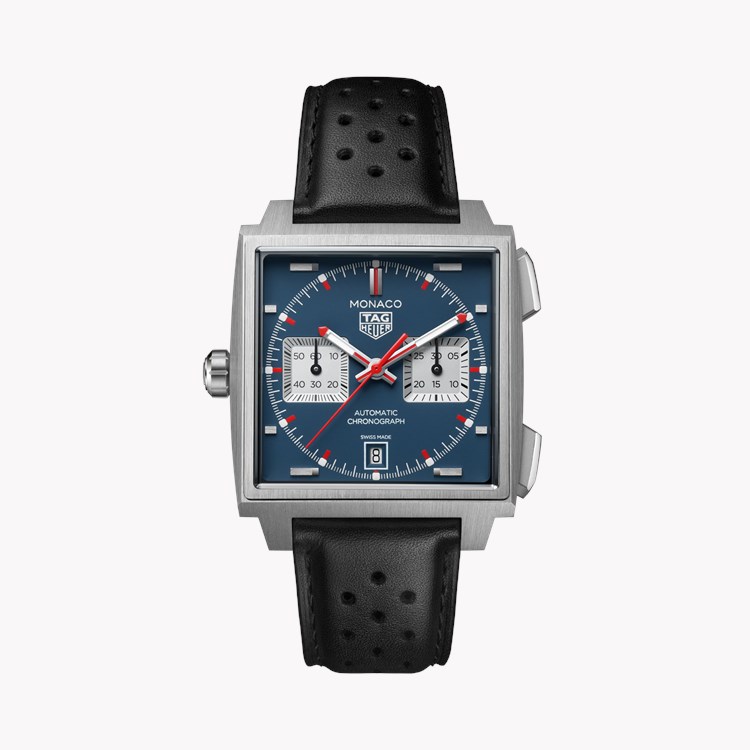
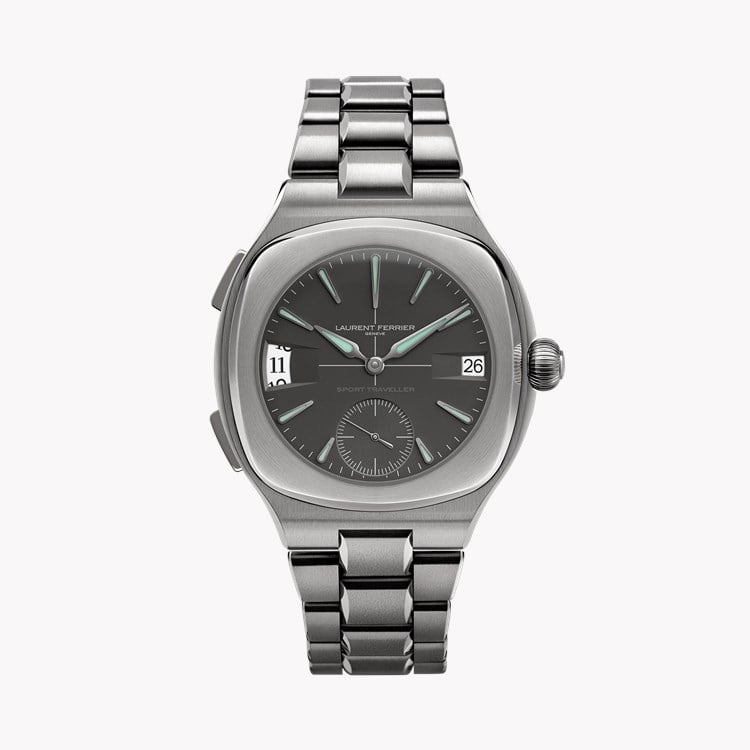
Shop Watches at Pragnell
At Pragnell, we present a carefully curated collection of renowned new and pre-owned brands, complemented by expert guidance, exceptional service, and unwavering commitment to quality and aftercare. As an authorised retailer with six generations of heritage, we guarantee authenticity and a truly refined luxury experience.
Watch Guides
Discover more about watches.

Watch CLP Page
Contact us