

Yellow Diamonds Guide
Yellow diamonds were first discovered in South Africa in the 1860s, where they became known as "Cape diamonds". They are the most common coloured diamonds after white, accounting for approximately 60 per cent of all fancy-coloured diamonds. Despite this relative prevalence, yellow diamonds remain extraordinarily rare; only one in every 16,500 carats mined is classified as a Fancy Vivid Yellow diamond.
Pragnell's passion for these exceptional gemstones extends beyond their rarity. Pragnell has followed the transformation of exceptional South African yellow diamonds from rough crystal to finished jewel, demonstrating the remarkable journey from source to masterpiece. Discover the complete Mine to Masterpiece journey.

Yellow diamonds are formed when nitrogen enters the stone's chemical makeup. Most white diamonds contain a degree of nitrogen, which is considered an impurity. The higher the nitrogen content, the stronger the yellow hue. On the D to Z colour scale used to grade white diamonds, colourless stones (graded D-F) command the highest prices. However, diamonds with strong yellow tones that fall outside the Z grade are classified as 'fancy' coloured and are assessed using a different scale that gemologists use to assess colour saturation.
The Gemological Institute of America (GIA) has a coloured diamond grading scale that ranges from Fancy Light to Fancy, Fancy Dark, Fancy Deep, and Fancy Intense, with Fancy Vivid being the rarest and most coveted grade. The way a yellow diamond is cut can influence its colour's intensity; jewellers often use radiant cuts because their multiple facets enhance the hue. Consequently, emerald-cut fancy-coloured diamonds are the rarest. To achieve a strong colour saturation in this cut, without the help of facets, the colour must be spread evenly throughout the stone.

Saturation isn’t the only characteristic that affects a yellow diamond’s desirability. Yellow diamonds can have orange, brown or green tones like paint colours. Preference for one tone over another is a personal choice, but ‘pure’ yellow stones are the most sought-after. However, more recently, orange-yellow diamonds have become highly prized.
Like white diamonds, yellow diamonds contain individual inclusions and blemishes; flawless emerald-cut Fancy Vivid yellows are true collectors’ stones.
The market for yellow diamonds has risen in the past two decades, partly due to increased interest, as celebrities wear them on the red carpet, but moreover, as consumers become more aware of the beauty and rarity of these sunshine-hued stones. As jewellery connoisseurs seek to diversify, yellow diamonds represent a magnificent springboard into the exclusive world of coloured diamonds.

Kimberley Yellow Diamonds
The Kimberley mine in South Africa's Northern Cape province has been synonymous with diamond discovery since the nineteenth century. The region is particularly renowned for producing exceptional yellow diamonds, including the Kimberley Octahedron, the largest natural yellow diamond ever discovered.
Beyond its geological significance, diamond mining continues to support local communities through employment, skills development, environmental initiatives and wider community investment.

From Rough Crystal to Masterpiece
On occasion, Pragnell has the opportunity to acquire exceptional rough yellow diamonds directly from source, allowing our specialists to follow their journey from rough crystal to finished jewel. One such example was the Kimberley Sunshine Diamond, which exceeded expectations during cutting and polishing to reveal a remarkable 22.09ct internally flawless fancy yellow diamond.
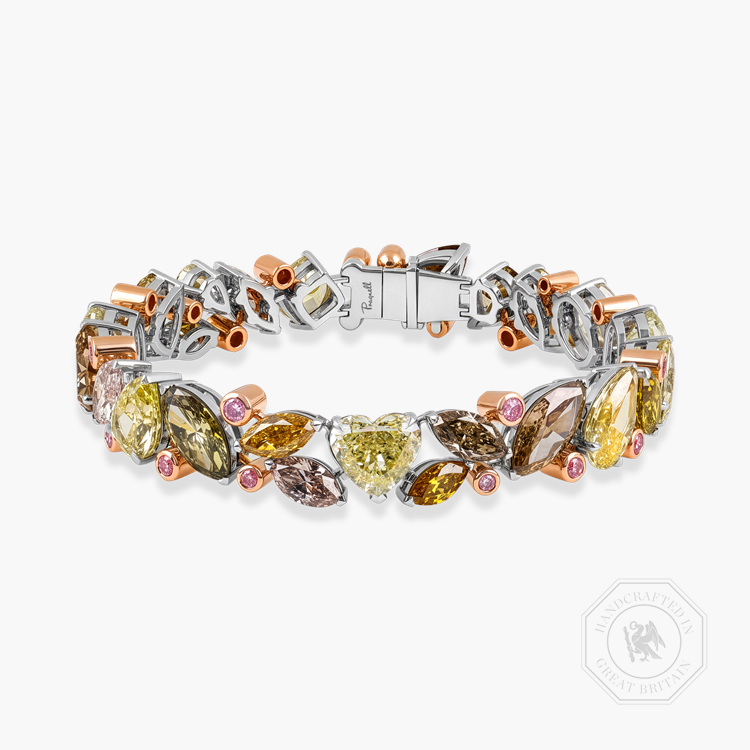
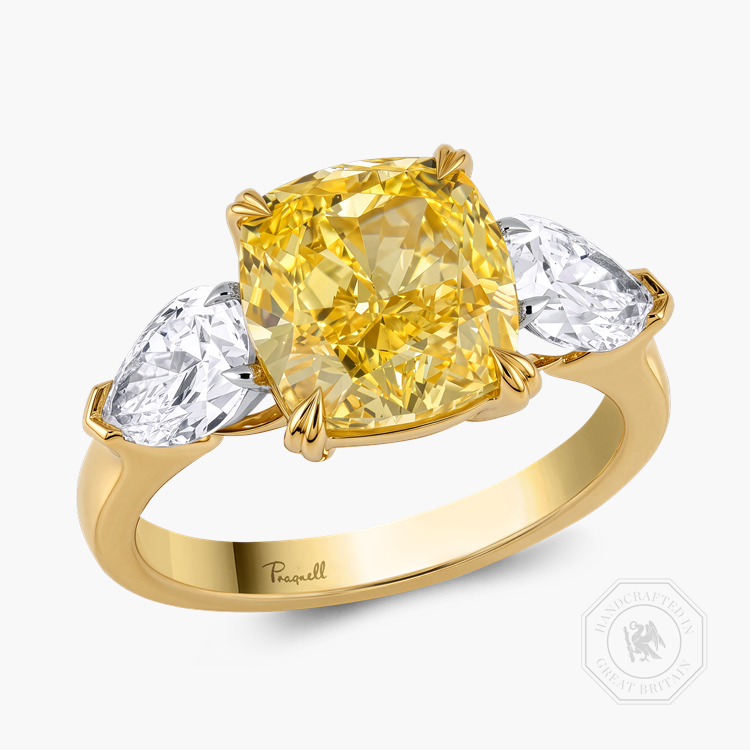
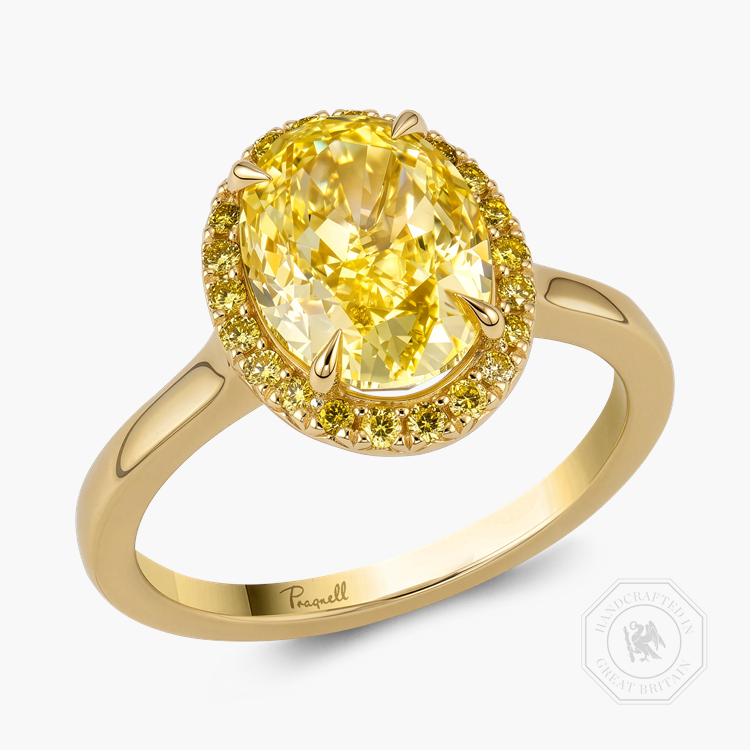
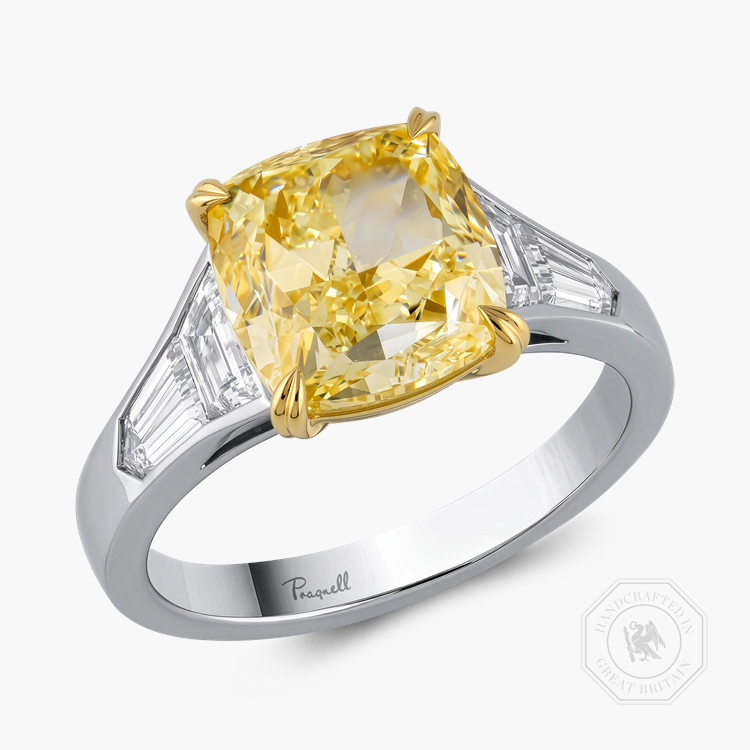
DISCOVERExplore Yellow Diamond Jewellery
Learn how exceptional yellow diamonds are sourced, cut and transformed into Pragnell Masterpieces.
Frequently Asked Questions
Below are the answers to our most commonly asked questions. Should you want to find out more please feel free to Contact Us us and begin your Pragnell experience.

Generic CLP Page
Contact us