
The Pragnell Bray Origins Clock at Dumfries House
By the Pragnell Editorial Team
(Published May 2026 / Updated June 2026)
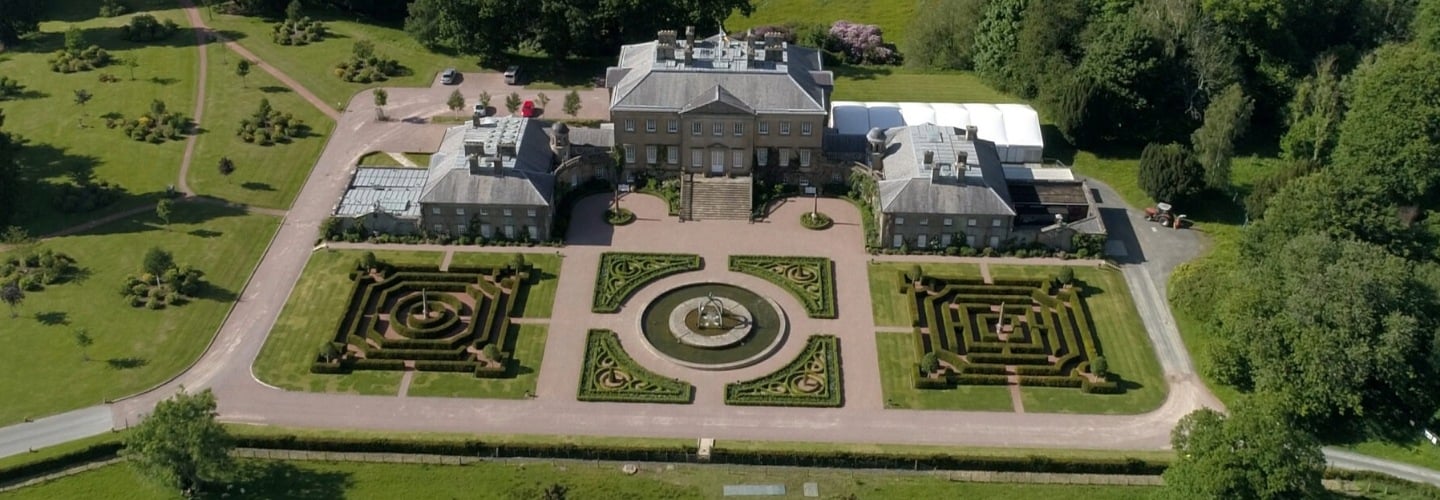
The Pragnell Bray Origins Clock was exhibited at Dumfries House, the historic home of The King’s Foundation, during the first part of 2026—an important moment that reaffirmed a shared commitment to preserving British heritage craft and horology.
Set within one of the United Kingdom’s most significant cultural estates, the clock formed part of a wider celebration of innovation in British watchmaking, honouring the legacy of John Harrison, the pioneering horologist whose work transformed maritime navigation and global history.
_(1).jpg)
Dumfries House and The King’s Foundation
Saved for the nation in 2007 by King Charles III, Dumfries House is a centre for heritage conservation, education, and craft excellence.
Through initiatives led by The King’s Foundation, the estate promotes the preservation of traditional skills and practical education. Its inclusion in Finding Harmony: A King’s Vision reflects its role as a leading institution dedicated to sustaining the future of traditional craft disciplines
in Britain.
.jpg)
The Legacy of John Harrison and the H1 Marine Chronometer
The Pragnell Bray Origins Clock draws direct inspiration from John Harrison’s H1 Marine Chronometer (1736) — widely recognised as the first accurate solution to the problem of determining longitude at sea.
When exhibited in the Great Hall alongside works from His Majesty’s private horological collection, the clock represented a modern interpretation of Harrison’s revolutionary invention.
The H1 fundamentally changed navigation, enabling safe global travel and trade. Its engineering principles continue to influence modern horology and precision timekeeping.
.jpg)
A Contemporary Masterpiece of British Craft
Designed by Charlie Pragnell and realised by master clockmaker Bob Bray of Sinclair Harding, the Origins Clock is a monumental expression of engineering, artistry, and craftsmanship.
Created over four years, the clock comprises more than 3,450 individually handcrafted components, making it the first working interpretation of the H1mechanism in over 300 years.
Every detail reflects its maritime inspiration — from the rocking hull modelled on HMS Centurion to the functional capstans and anchor-based counterweight system.
This is not only a timekeeping instrument, but a kinetic sculpture, uniting British engineering heritage with contemporary design excellence.

A Living Example of British Innovation
The exhibition of the clock at Dumfries House reinforced its role as a living demonstration of traditional craft in a modern context, bridging past and present through precision engineering and artistic vision.
Its exhibition marked an important moment in celebrating British horological craft, reinforcing Pragnell’s commitment to preserving and advancing traditional skills for future generations.
It remains a testament to the lasting relevance of traditional craft, reinterpreted through contemporary British design and horology.
Frequently Asked Questions
Below are the answers to our most commonly asked questions. Should you want to find out more please feel free to Contact Us and begin your Pragnell experience.
About the Pragnell Editorial Team
The Pragnell Editorial Team produces and reviews news content for pragnell.co.uk, working with senior specialists to ensure accuracy, clarity, and alignment with Pragnell's values, heritage, and standards.
Generic CLP Page
Contact us